

-
Taihojutsu
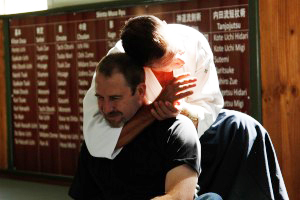
This is a derivative self-defence art developed within the Kenshinryu to teach a range of combat skills for violent and potentially life threatening combat. Based on the principles of Aikido, it involves a syllabus of twelve techniques only which can be applied in armed and unarmed combat against one or multiple attackers. The reduced syllabus…
-
Kusarigamajutsu
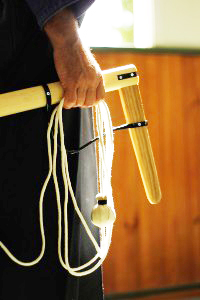
The Kusarigama is a combination of kusari (weighted chain) and Kama (sickle) developed originally in the Oei Period (1394 – 1427). It came to be part of the Shinto Muso Ryu under the third or fourth Headmaster. The Isshin Ryu weapon has several distinctive features including a straight, double-sided blade, a goken (protective iron guard)…
-
Juttejutsu
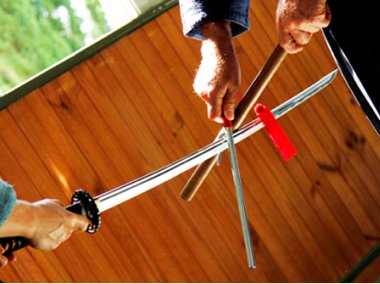
The Jutte is an iron truncheon-like weapon approximately 45 cm in length with a handgrip, single tine and an end-ring. There are many styles of Jutte however the Ikkaku Ryu uses one with a hexagonal shaft configured so strikes were deleivered with the often sharpened corners allowing for cutting. It was founded by Matsuzaki Kinzaemon…
-
Tanjojutsu
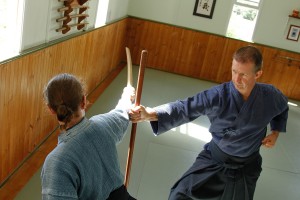
Developed by Uchida Ryogoro (1837 – 1921) this weapon is essentially an adaptation of the western walking cane and was used as civilian defence weapon. Further refined by his son, Uchida Ryohei following his appointment to a Budo committee aimed at formalising the art, the result has been twelve introductory Kata using the short stick…
-
Kenjutsu
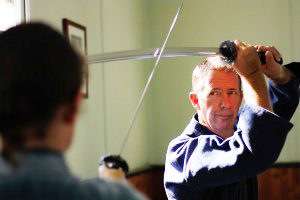
This 400 year old sword system is closely related to the famous Katori Shinto Ryu through the license of Shinto Muso Ryu founder, Muso Gonnosuke Sensei, in the original Ryu. It is thought that the Shinto Ryu derives from the Matsumoto Bizen no Kami lineage which would explain the differences in the styles today. The…
-
Jojutsu
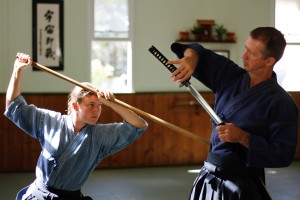
Even though the Shintō Musō-ryū was founded by a samurai (Muso Gonnosuke) in the Keichō era (1594–1614) it continues to have a significant influence on policing in the very modern society of Japan. Even today all police officers are trained in Jodo and in every Koban or Police Box you will see a group of Jo’s (4 foot staffs)…
-

Kenshinryu Lismore
Nestled between the rainforest and the sea in the Northern Rivers of NSW, 45 km inland from Byron Bay. Lismore Dojo is found in the heart of the CBD, with the entrance off The Back Art Gallery. Currently we train Monday nights in the Martial Art of Shinto Muso Ryu – Jojutsu, Kenjutsu and Aikido.…
-
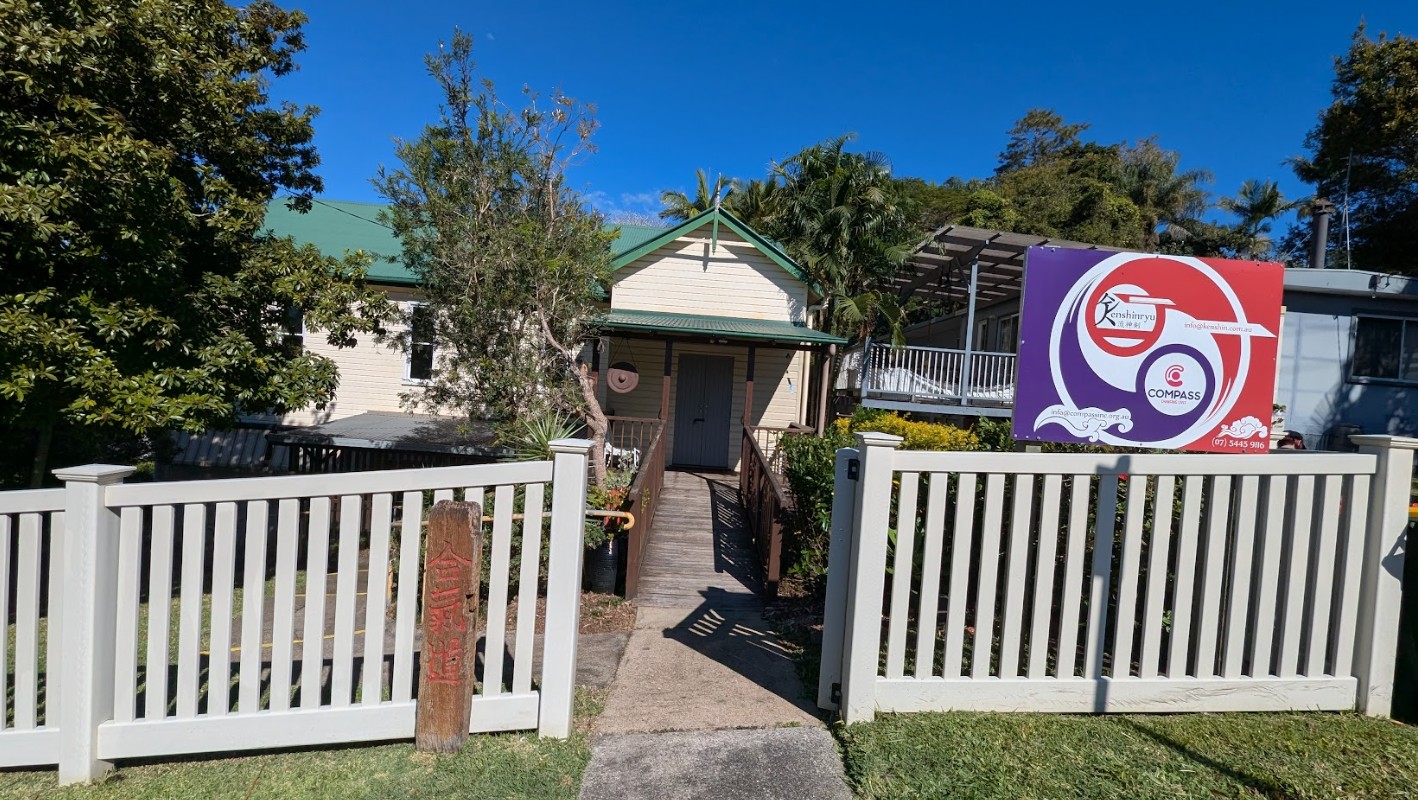
Kenshinryu Palmwoods (Main Dojo)
Located in the picturesque hinterlands of the Sunshine Coast, Kenshinryu Palmwoods is run by the headmaster, David Dangerfield Sensei – 6th Dan and Shomokuroku. The Dojo provides training in Aikido for adults and juniors as well as Shinto Muso Ryu for adults – Sword, Jo (4 foot staff) and ancillary weapons. Classes are available six…
-
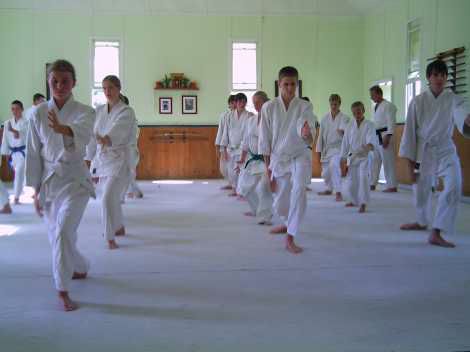
Benefits of Aikido for Children and Teenagers
Aikido For Children & Youth Aikido Has Helped Kids With Aikido Can Help In The Following Areas Spirit: Aikido develops win/win philosophy everyone wins.Body: Aikido is physically challenging but not impossible, and it is good for strength training and weight loss.Mind: Children & youth can understand their minds. They learn that the mind is a tool; therefore, they learn…